Royal Oak Skeleton Guide: Rose Gold, Openworked Dials and Daily Wear

Royal Oak Skeleton Guide: Rose Gold, Openworked Dials and Daily Wear
When people search Royal Oak skeleton, they are usually chasing a very specific look: the sharp Audemars Piguet case shape, an openworked dial, and the visual drama of seeing the movement architecture from the front. This guide explains what makes a Royal Oak skeleton watch different, why rose gold versions attract so much attention, and how to think about wearability before choosing one.
What Makes a Royal Oak Skeleton Watch Special
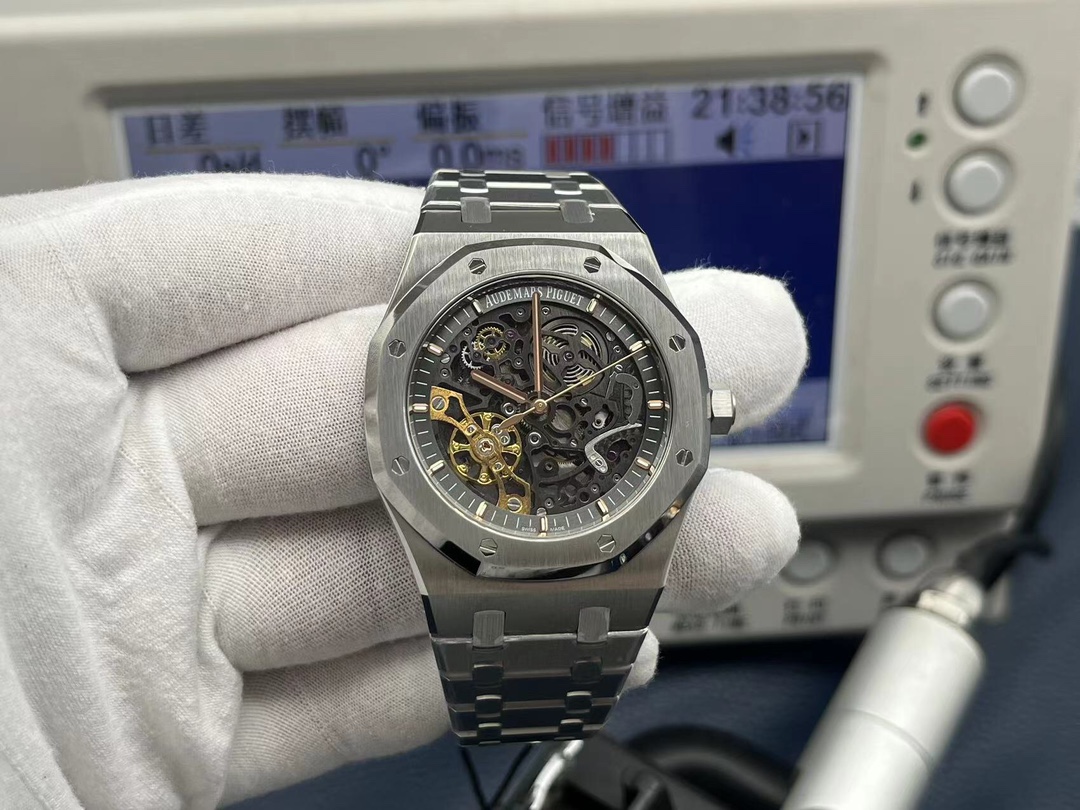
A Royal Oak skeleton watch is not just a standard Royal Oak with extra cutouts. The whole watch feels more architectural. The octagonal bezel, integrated bracelet, and layered movement all become part of the visual experience at the same time. That is what makes the openworked Royal Oak style feel more technical and more design-driven than a simple three-hand sports watch.
The challenge is balance. If the dial is too busy, the watch becomes hard to read. If the case and bracelet are not finished cleanly, the openworked dial loses its impact. The best Royal Oak skeleton style pieces keep the movement visible but still let the watch feel structured and wearable.
Why Rose Gold AP Skeleton Styles Are So Popular
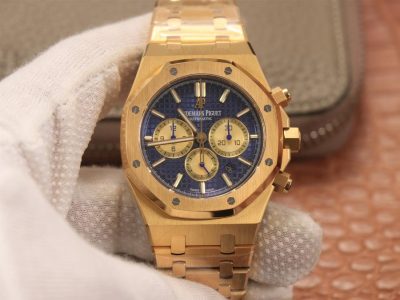
Rose gold changes the mood of a Royal Oak skeleton immediately. In steel, the watch feels sharper and cooler. In rose gold, the same openworked layout looks richer and more jewelry-like without losing the Royal Oak case identity. That is why rose gold AP skeleton queries are so strong: buyers want the aggressive shape of the case but with warmer and more luxurious visual weight.
Rose gold also works especially well with skeleton dials because the warmer case tone helps frame the movement. Instead of feeling cold or industrial, the watch feels more dimensional and more expressive. For buyers who want a statement watch rather than a quiet daily beater, this is often the strongest version of the Royal Oak skeleton look.
How the Openworked Dial Changes the Experience
On a standard Royal Oak, your eye goes first to the tapisserie dial texture and bezel shape. On a skeleton Royal Oak, your eye goes into the watch. You notice the bridges, the wheel layout, and the contrast between the hands and the movement underneath. That makes the watch more interactive, but it also means readability matters more than usual.
- Look for strong hand contrast so the watch is still easy to read.
- Check the minute track because a weak outer track makes the dial feel chaotic.
- Study the movement symmetry since the openworked layout should feel intentional, not random.
- Notice the bezel-to-dial balance because the Royal Oak case should still frame the watch cleanly.
Case Shape, Bracelet and Wrist Feel
The Royal Oak case wears differently from round watches because the integrated bracelet and broad bezel change the footprint on the wrist. A skeleton version often feels even more present because your attention is pulled into the dial. That is why case finishing and bracelet articulation matter so much in this category.
If the bracelet is stiff or the case feels too flat, the watch can wear larger than expected. If the bracelet tapers well and the case hugs the wrist, even a visually bold Royal Oak skeleton can feel surprisingly balanced. This is one reason many buyers compare steel and rose gold versions side by side before choosing.
Steel, Rose Gold and Two-Tone: Which Direction Fits Best?
Steel is usually the cleanest and easiest version to wear. Rose gold is the most dramatic and luxurious. Two-tone sits in the middle, giving you some of the warmth of gold without turning the whole watch into a high-flash piece. For buyers searching two tone AP, the appeal is often exactly that balance.
- Choose steel if you want the purest sports-watch feel.
- Choose rose gold if you want the strongest statement and the warmest dial framing.
- Choose two-tone if you want contrast and presence without going all the way into full gold visual weight.
Where to Start if You Want This Look
If the openworked AP style is what you are after, the best entry point is to compare the broader Audemars Piguet category with the more specific Royal Oak category. Then use our existing Royal Oak guide as the baseline for case feel, and treat the skeleton version as the more visual, more expressive branch of the same family.
The right choice comes down to whether you want your Royal Oak to feel like a refined sports watch or a true statement piece. Skeleton and rose gold combinations move strongly toward the second option.
Frequently Asked Questions
What is a Royal Oak skeleton watch?
It is a Royal Oak-style watch with an openworked dial that exposes much of the movement architecture instead of hiding it behind a standard solid dial. The result is more technical, more visual, and more statement-driven.
Why do buyers like rose gold AP skeleton styles so much?
Because rose gold adds warmth and luxury to the already dramatic Royal Oak skeleton layout. It makes the openworked movement feel richer and more dimensional while keeping the sharp Royal Oak case identity.
Is a skeleton Royal Oak hard to read?
It can be if the hand contrast is weak. Good skeleton designs keep enough separation between the hands and the movement underneath so the time remains clear in normal wear.
Does rose gold wear louder than steel?
Yes. Rose gold gives the watch much more visual weight and makes the Royal Oak skeleton feel more like a statement piece. Steel is cleaner and easier to wear every day.
If your goal is to compare the cleaner and more dramatic sides of the AP family, start with the Audemars Piguet collection and then narrow into Royal Oak once you know whether you want steel, rose gold, or a more expressive skeleton look.
Related buying pages
Continue with the right buying route
Use these pages to compare catalog options, buyer confidence resources and support routes before choosing a model.