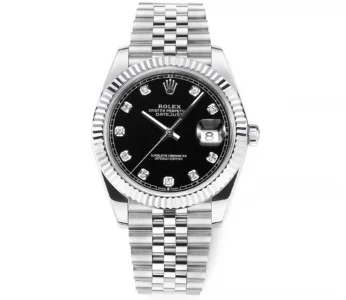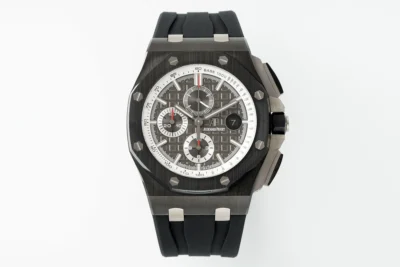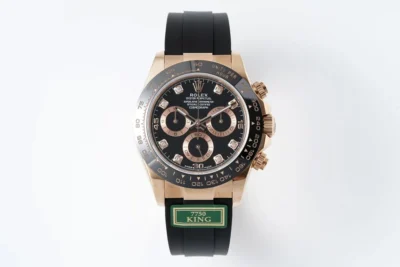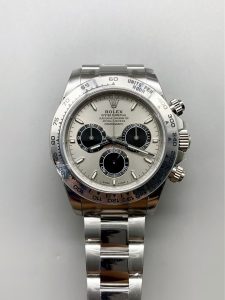

Rolex pricing is shaped by brand demand, materials, movement engineering, finishing standards, distribution, scarcity, and long-term market perception. Buyers are not only paying for timekeeping. They are paying for a design language, a recognizable case and bracelet system, and decades of trust around specific model families.
Design consistency creates demand
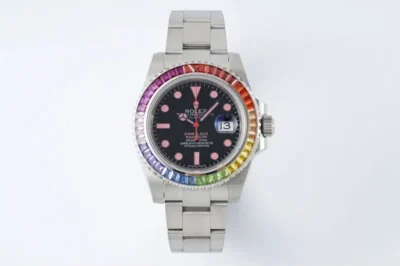
Submariner, Daytona, Datejust, and GMT-Master II designs have remained recognizable for years. Small changes to bezel, dial, bracelet, and case shape can matter because buyers already know what the model should look like. This is why visual details are so important when comparing any Rolex-style super clone watch.
Finishing and movement expectations matter
A strong watch build needs more than a good front photo. Bracelet brushing, clasp feel, bezel action, date alignment, crown shape, dial print, and movement stability all affect the final experience. These details are also what buyers should check in QC photos before confirming a super clone order.
Market scarcity raises attention
Some original retail models are hard to buy at list price, which pushes more buyers to research the design, sizing, and model family before deciding what look they want. The search demand around Daytona, Submariner, Datejust, and GMT-Master II comes from that wider attention.
What this means for buyers
- Choose the model family before comparing factories.
- Compare visible details in photos, not only the product title.
- Use category pages to narrow dial, bezel, bracelet, and size.
- Ask for QC proof when the exact configuration matters.
Start with the Rolex catalog hub or compare Daytona, Submariner, and Datejust collections directly.
Continue to live catalog pages
Compare related buying pages
Use the article for context, then continue to live category pages to compare current model families, visible details, and QC proof.