

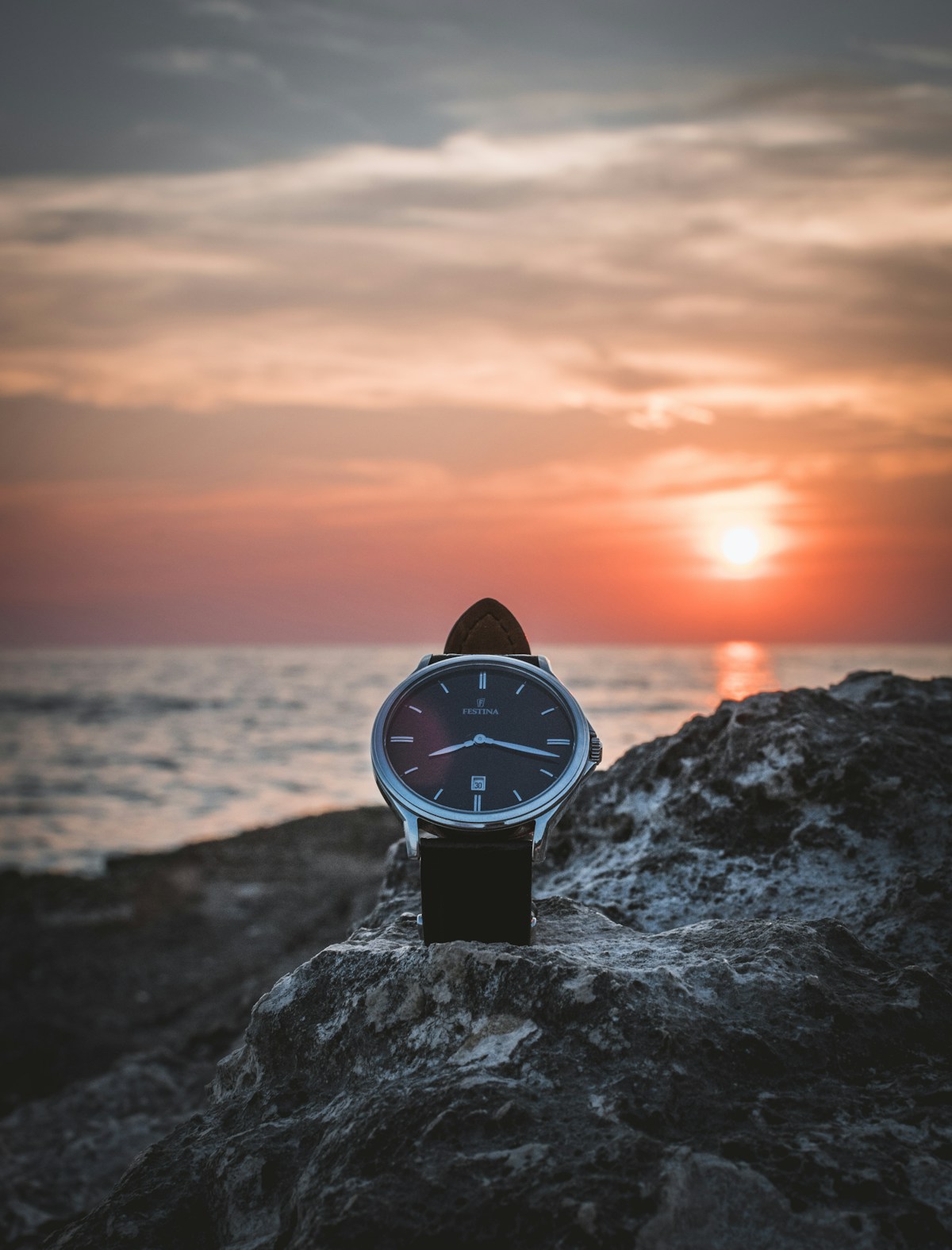
A quality super clone watch with a Swiss movement can realistically last 10-15 years with proper care. The maintenance principles are identical to caring for any fine mechanical watch — because the movements inside top-tier super clones are the same movements used in genuine mid-range luxury watches. This guide covers everything: daily habits, cleaning, water exposure, storage, and when to have your watch serviced.
Daily Wear: What to Avoid
The easiest way to extend your watch’s life is to know what to avoid. These are the most common causes of premature damage:
- Magnetic fields: Laptop speakers, tablet cases, handbag clasps, and MRI machines all generate magnetic fields that can magnetize the movement and cause erratic timekeeping. Keep your watch away from these. If magnetized, demagnetization by a watchmaker costs nothing and takes 30 seconds.
- Extreme temperature changes: Moving quickly from a hot sauna to a cold pool creates thermal shock that can damage gaskets and stress case metal. Take the watch off for extreme activities.
- Impact and vibration: A quality sapphire crystal resists scratches but can crack under impact. The movement can also be damaged by sharp drops onto hard surfaces. Mechanical watch movements are precision instruments — treat them accordingly.
- Chemicals: Perfume, hairspray, sunscreen, and cleaning products can damage the dial, corrode the bracelet, and degrade rubber gaskets. Apply all products before putting on your watch.
- Crown operation underwater: Never adjust the date or time while the watch is in water. Pulling the crown out with water present will allow ingress even in a “waterproof” watch.
Water Resistance: What the Ratings Actually Mean
Water resistance ratings are tested under static conditions, not dynamic ones. Practical guidance:
- 30m / 3 ATM: Splash resistant only. No swimming, no showers. Suitable for hand washing.
- 50m / 5 ATM: Suitable for shallow swimming. Not suitable for diving.
- 100m / 10 ATM: Suitable for swimming, snorkeling. Not suitable for scuba diving.
- 200m / 20 ATM: Suitable for recreational diving. Most dive watch super clones (Submariner, Seamaster) carry this rating.
- 300m+: Professional dive use.
Important: Water resistance degrades over time as gaskets age. A watch rated 200m five years ago may only offer 50m resistance today if the gaskets have never been replaced. Service includes gasket replacement. If you swim with your super clone, have gaskets inspected every 2-3 years.
Cleaning Your Watch at Home
Regular cleaning prevents sweat salt, skin oils, and debris from corroding the bracelet and damaging finishing. A simple monthly cleaning routine:
- Fill a small bowl with warm (not hot) water and a drop of mild dish soap
- Remove the watch if the crown is not securely screwed down (screw-down crown models only)
- Use a soft toothbrush to gently clean between bracelet links, the clasp, and around the case/lug junction
- Rinse under clean warm running water
- Dry thoroughly with a soft lint-free cloth
- Leave to air dry fully — especially between bracelet links — before storing
Never use ultrasonic cleaners on a watch with loose stones or a dial that may not be properly sealed. Do not use alcohol or acetone on dials, crystals, or rubber straps.
Bracelet and Strap Maintenance
Metal bracelets require the most maintenance attention. The clasp area is where dirt, skin cells, and moisture accumulate. A dirty clasp not only looks poor but the buildup can corrode the spring mechanism.
Leather straps should be replaced every 12-18 months under daily use. Moisture, sweat, and salt degrade leather regardless of quality. Keep leather straps away from water. Rubber and silicone straps are far more durable for active use.
Storage
Proper storage prevents dust, moisture, and physical damage:
- Store in a watch box or roll — not loose in a drawer where it can scratch against other objects
- Avoid direct sunlight storage, which can fade dials and degrade rubber gaskets
- If storing an automatic watch for more than 2-3 days, consider a watch winder set to the correct rotations per day for the specific movement (Miyota 9015: 650 TPD, ETA 2836: 650 TPD)
- Do not store in bathroom cabinets — humidity is the enemy of movement lubrication
- For long-term storage (months), fully wind a manual movement before storing; leave an automatic fully wound
When to Have Your Watch Serviced
Mechanical watch movements require periodic servicing — disassembly, cleaning, lubrication, and regulated. Service intervals for the movements used in quality super clones:
- ETA 2824/2836, Sellita SW200: Service every 3-5 years under regular wear
- Miyota 9015/8215: Service every 3-5 years
- Clone movements (VSF 3235, A2813): Typically 2-4 year service intervals — clone movement oils degrade faster than genuine Swiss lubricants
- Quartz movements: Battery change every 1-3 years; no service unless timekeeping becomes erratic
Signs that a service is due: the watch gains or loses more than 30 seconds per day, the movement sounds rough or grinding when wound, the automatic winding feels sluggish, or the watch stops unexpectedly despite being worn daily.
Finding a Watchmaker for Super Clone Service
Any qualified independent watchmaker can service a watch with ETA, Sellita, or Miyota movements — these are standard service movements. For clone in-house movements (VSF 3235, etc.), a watchmaker experienced with Chinese factory movements is preferred. Do not take a super clone watch to a brand-authorized service center.
Frequently Asked Questions
Can I shower with my super clone watch?
Only if the watch is rated at 100m or higher AND the crown is properly screwed down (screw-down crown models). Even then, regular shower exposure degrades gaskets faster. Soap, shampoo, and conditioner residue can damage seals. Remove your watch before showering unless you specifically accept the long-term gasket wear.
How do I clean between the links of my bracelet?
Use a soft toothbrush (dedicated to watch cleaning), warm soapy water, and gentle scrubbing between links. For heavily clogged bracelets, soak in warm soapy water for 5 minutes before brushing. Rinse thoroughly and dry completely — moisture between links causes corrosion even on quality steel.
My super clone watch is running fast — what is wrong?
Running fast (gaining 30+ seconds per day) usually indicates magnetization. Hold the watch near a compass — if the compass needle deflects, the watch is magnetized. Take it to any watchmaker for demagnetization (free, 30 seconds). Other causes: impact damage to the hairspring, or the watch is simply due for regulation and service.
How do I set the time on an automatic super clone watch?
Pull the crown to the first position (click) to set the date by rotating the crown. Pull to the second position to set the time. Always set time by advancing hands clockwise — never move hands counterclockwise unless the movement specifically allows it. Set time when the seconds hand is at 12 o’clock for maximum accuracy. Push crown back in and screw down if applicable.
Related buying pages
Continue with the right buying route
Use these pages to compare catalog options, buyer confidence resources and support routes before choosing a model.