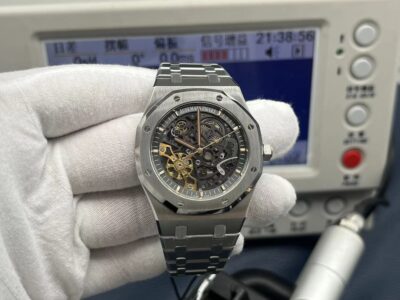
Swiss vs. Japanese Movement Clone Watches: Which Should You Buy?

Swiss vs. Japanese Movement Clone Watches: Which Should You Buy?
When shopping for a super clone watch in 2026, the most impactful decision you will make is not the brand or reference — it is the movement inside. Swiss-grade and Japanese movements dominate the super clone market, and each has a distinct performance profile, price point, and ideal use case. This guide gives you the technical specifications and honest recommendations you need to choose correctly.
Common Japanese Movements in Super Clone Watches
Japanese movements from Seiko (NH-series) and Citizen/Miyota dominate the entry-to-mid super clone market. They are robust, globally serviceable, and perform well for everyday wear.
NH35A (Seiko Instruments, Japan): 21 jewels, 41.5-hour power reserve, 21,600 vph (6 beats per second), ±10 sec/day accuracy when new and regulated. The NH35A supports hacking (seconds hand stops when crown is pulled) and hand-winding. It is a direct descendant of the proven 7S26 calibre with added functionality. Rotor: bi-directional with magic lever winding efficiency of approximately 77%. Dimensions: 27.4 mm diameter, 5.33 mm height. Super clone compatibility: Rolex Submariner, Datejust, GMT-Master II, Omega Seamaster.
NH36A (Seiko Instruments, Japan): Identical to the NH35A but with an added day-of-week display. 21 jewels, 41.5-hour power reserve, 21,600 vph, ±10 sec/day. Used in super clones replicating Rolex Day-Date and Explorer II references that require a day complication.
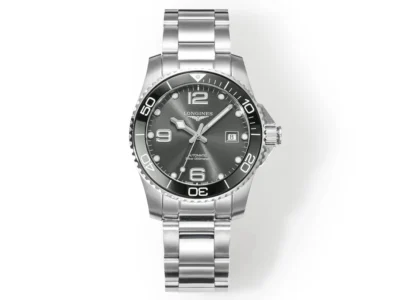
Miyota 9015 (Citizen Watch Co., Japan): 24 jewels, 42-hour power reserve, 28,800 vph (8 beats per second), ±10 sec/day with manufacturer tolerance, ±5 sec/day when individually regulated. The 9015’s higher beat rate (8 bps vs 6 bps in the NH35) produces a noticeably smoother sweep hand — a critical aesthetic factor in display-caseback or open-heart super clones. Dimensions: 25.6 mm diameter, 3.9 mm height. The slim 3.9 mm profile makes the Miyota 9015 ideal for super clones replicating dress watches with thin cases, such as the Jaeger-LeCoultre Reverso or IWC Portofino. Super clone compatibility: AP Royal Oak (thin models), IWC, JLC, Longines.
Miyota 8215 (Citizen Watch Co., Japan): 21 jewels, 42-hour power reserve, 21,600 vph, ±10 sec/day. The workhorse of the Miyota line used in entry-level super clones. Less refined than the 9015 but widely available and inexpensive to service.
Swiss-Grade Movements in Super Clone Watches
Swiss-grade movements in the super clone market are either genuine Swiss calibres (ETA, Sellita) installed by factories, or high-fidelity clones engineered to replicate specific Rolex, AP, or Omega movements. Both deliver markedly better performance than Japanese alternatives.
ETA 2824-2 Clone (Swiss-spec): 25 jewels, 42-hour power reserve, 28,800 vph, ±4 sec/day in Elaboré grade. The ETA 2824-2 is the movement found inside many genuine Swiss watches including Tudor, Tissot, and Hamilton. Super clone versions of this calibre are dimensionally accurate and use similar alloys, achieving near-identical rotor sound and sweep quality. The ETA 2824-2 clone offers a significant accuracy upgrade over Japanese movements and is typically used in higher-grade Rolex super clone dress references.
SW200 Clone (Sellita-spec): The Sellita SW200 is a functional equivalent to the ETA 2824-2, produced after ETA restricted external sales. 26 jewels, 38-hour power reserve, 28,800 vph, ±7 sec/day. Clone versions appear in mid-tier super clones targeting Tudor and Certina-inspired references. Less refined than the ETA clone but still superior to NH35-based pieces in beat rate and finishing.
Cloned Rolex 3235: 31 jewels, 70-hour power reserve, 28,800 vph, ±2 sec/day. The 3235 is Rolex’s current-generation in-house calibre powering the Submariner (ref. 126610), GMT-Master II (ref. 126710), and Datejust 41 (ref. 126334). VSF Factory’s cloned 3235 replicates the Chronergy escapement geometry, the variable-inertia balance wheel, and the paramagnetic blue Parachrom hairspring (approximated in the clone). This is the highest-performing movement available in Rolex super clone watches in 2026.
Cloned AP 3120 (for Royal Oak super clones): 37 jewels, 60-hour power reserve, 21,600 vph, ±6 sec/day. Audemars Piguet’s 3120 calibre is a celebrated in-house automatic, and its super clone approximation captures the open-worked rotor and three-day power reserve that make Royal Oak displays compelling. Used in top-grade AP Royal Oak super clones.
Cloned Omega 8500 (for Seamaster/Constellation super clones): 39 jewels, 60-hour power reserve, 25,200 vph, ±7 sec/day. The genuine Omega Co-Axial 8500 is among the most advanced mechanical movements in production — its cloned version in premium Seamaster super clones replicates the Co-Axial escapement geometry and the silicon balance spring. Used in Clean Factory Grade Omega super clone pieces.
Accuracy Comparison: Japanese vs. Swiss Clone Movements
Here is a direct accuracy benchmark across the movements discussed, using values measured from regulated production units:
NH35A: ±10 sec/day (manufacturer spec), ±6 sec/day (regulated). Beat rate: 21,600 vph. Sweep: 6 bps (visible tick at slow speeds).
Miyota 9015: ±10 sec/day (manufacturer spec), ±5 sec/day (regulated). Beat rate: 28,800 vph. Sweep: visually smooth at standard viewing distance.
ETA 2824-2 Clone: ±4 sec/day (Elaboré grade). Beat rate: 28,800 vph. Sweep: smooth. Rotor: single-direction with ball-bearing — quieter than NH35.
Cloned Rolex 3235: ±2 sec/day. Beat rate: 28,800 vph. Sweep: smooth and weighted. Power reserve: 70 hours — the longest of any movement in this comparison.
Cloned AP 3120: ±6 sec/day. Beat rate: 21,600 vph. Notable for its 60-hour power reserve and architectural beauty when viewed through the display caseback.
Cloned Omega 8500: ±7 sec/day. Beat rate: 25,200 vph. Features magnetic resistance improvements from the silicon spring approximation.
Summary: For maximum timekeeping accuracy, the cloned 3235 is the clear winner. For the smoothest sweep at the lowest price, the Miyota 9015 offers the best Japanese-movement value. The ETA clone sits in the sweet spot: Swiss-level accuracy at a reasonable price premium over NH35 pieces.
Price Difference: Is a Swiss Movement Clone Worth It?
The price premium for a Swiss-grade movement super clone is real but often justified. Here is how it breaks down across comparable Rolex Submariner super clones:
NH35-powered Submariner super clone: $250–$320. Accurate to ±10 sec/day. Sufficient for casual wear, less impressive for enthusiasts who will notice the 6-bps sweep. Recommended for first-time buyers testing the super clone tier.
ETA 2824 clone-powered Submariner super clone: $320–$400. Accurate to ±4 sec/day. Smooth 8-bps sweep. Noticeably elevated wrist feel and movement acoustics. Recommended for buyers who plan to keep the piece for 2+ years.
Cloned 3235-powered VSF Submariner super clone: $380–$520. Accurate to ±2 sec/day. 70-hour power reserve means the watch survives a long weekend off the wrist. Best-in-class finishing, 904L steel, and movement authenticity. Recommended for collectors who want the definitive super clone experience.
The $100–$200 premium for a Swiss movement clone buys you: 5× better accuracy, 60–70% more power reserve, and a sweep hand that matches genuine luxury watch aesthetics. For most buyers who are investing $300+ in a super clone, stepping up to the cloned 3235 makes sense economically.
Brand-Specific Recommendations
Rolex Submariner / GMT-Master II super clone: Choose VSF Grade with the cloned 3235 movement. The 3235 replicates the genuine movement architecture more faithfully than any Japanese alternative, and the 70-hour power reserve matches the genuine spec. Second choice: ETA 2824-2 clone for a $100 saving with minor accuracy trade-off.
Rolex Daytona super clone: Clean Factory Grade with the cloned 4130 chronograph movement. The 4130 is a column-wheel vertical-clutch chronograph — no Japanese movement can approximate this complication credibly. Clean Factory’s cloned 4130 offers 72-hour power reserve and ±2 sec/day, matching the genuine specification.
AP Royal Oak super clone (41 mm): ZF Factory or Clean Factory Grade with the cloned AP 3120. The distinctive open-worked rotor of the 3120 is visible through the display caseback of many Royal Oak super clones — it is a defining visual feature of the reference. A Japanese movement in an AP Royal Oak super clone misses the point of the watch.
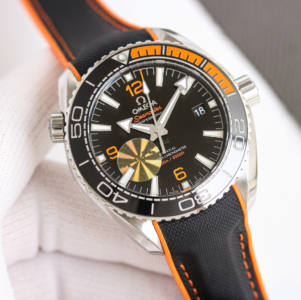
Omega Seamaster Professional super clone: VS Factory or Clean Factory with the cloned 8500. The co-axial escapement geometry is partially replicated and contributes to the characteristic smooth sweep of the Seamaster. For Seamaster 300M helium-escape-valve models, Clean Factory Grade is the only factory producing a credible co-axial clone.
Patek Philippe Nautilus super clone: ZF Factory or BBF Grade with a cloned Cal. 26-330 (or approximation). The Nautilus requires a slim movement to fit the 8.2 mm case thickness — only high-grade Swiss clone movements achieve the correct thinness. Japanese movements are uniformly too thick for credible Nautilus super clones.
Frequently Asked Questions
Q: Is an NH35-powered super clone worth buying?
A: Yes, for a first-time buyer or someone who wants a lower-cost entry to the super clone tier. The NH35 is reliable, globally serviceable at any watch repair shop, and accurate enough for daily use. Its limitation is the 6-bps sweep rate, which appears slightly steppy compared to 8-bps Swiss-grade movements. If you are spending $320 or more, stepping up to an ETA clone or cloned 3235 is worth the additional investment.
Q: Can a Swiss clone movement be serviced locally?
A: ETA 2824-based clones can be serviced by any watchmaker familiar with ETA movements — the parts are compatible with genuine ETA service kits in most cases. Cloned Rolex 3235 and cloned AP 3120 movements require factory-sourced parts and are best sent to specialist super clone service centres every 3–5 years. Standard service cost for an ETA-based super clone is $60–$100; for a cloned 3235, expect $120–$180 from a specialist.
Q: How do I verify which movement is in my super clone?
A: Ask the seller for caseback-open photos showing the movement before purchase. For NH35 movements, look for the Seiko rotor inscription and the characteristic three-spoke rotor design. For cloned 3235 movements, the rotor will be monobloc with a Glucydur-style balance wheel visible between the bridges. If the seller cannot provide movement photos, treat that as a red flag.
Q: Does movement quality affect how long a super clone lasts?
A: Yes, significantly. NH35 movements are rated by Seiko for approximately 5–7 years between services under normal wear. Miyota 9015 movements are similar. Swiss-grade ETA clone movements, when serviced every 4–5 years, can maintain accuracy and function for 15–20 years. The cloned Rolex 3235, due to its Chronergy escapement geometry (lower friction), theoretically extends service intervals to 7–10 years — consistent with Rolex’s own claimed service interval for the genuine 3235.
Explore our full range of Swiss and Japanese movement super clone watches at mirckclone.com/shop. Every listing specifies the exact movement calibre, power reserve, and accuracy rating — so you know exactly what you are buying before you order.