Zettaclone Guide: Factory Breadth, Watch Styles and What Buyers Usually Check


Zettaclone Guide: Factory Breadth, Watch Styles and What Buyers Usually Check
When people search for Zettaclone, they are usually not searching for one specific model. They are trying to evaluate a source. That means the real question is broader: how many strong watch families are covered, how clear the reference guidance is, whether the product information feels trustworthy, and how easy it is to compare styles before ordering. This guide breaks down the kind of checks buyers usually make when Zettaclone becomes part of the search.
Quick Answer
Zettaclone usually gets searched as a source-evaluation query. Buyers want to know whether the selection is broad enough, the model guidance is clear enough, and the watch details are strong enough to support a confident decision.
What Buyers Usually Mean by Zettaclone
This keyword usually signals comparison behavior. Buyers are often moving between multiple sources, factory names, or category pages and trying to understand which one gives the clearest path to the watch style they want. That means the search is less about one claim and more about whether the source feels structured, consistent, and easy to trust.
| Buyer check | Why it matters |
|---|---|
| Category breadth | Shows whether the source covers the major watch families buyers actually want |
| Reference clarity | Makes it easier to compare one model against another without confusion |
| Photo quality | Helps buyers judge case shape, dial balance, and bracelet feel more accurately |
| Guide content | Signals whether the source helps the buyer choose instead of only listing products |
Why Category Coverage Matters First
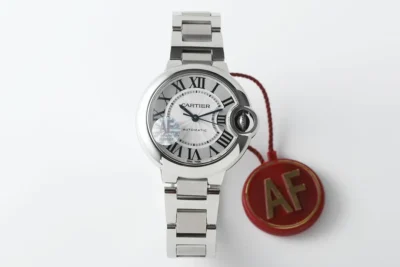
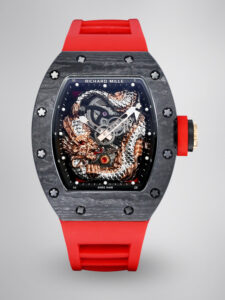
A source only becomes useful when it covers the families buyers actually compare. Most people do not enter with a perfect reference number already chosen. They compare Rolex, AP, Patek, Cartier, and Richard Mille directions before narrowing down. That is why category breadth matters more than a single hero product. If the source only feels strong in one corner, it becomes harder to trust it for the rest of the decision process.
The easiest way to judge this is to compare how well the source presents core families such as Rolex, Audemars Piguet, and Richard Mille. Broad coverage only helps when the presentation stays clear inside each family.
Strong Sign
The source helps you understand differences between watch families, sizes, and styles instead of forcing you to guess from product grids alone.
Weak Sign
The selection looks wide on the surface, but the details feel thin, repetitive, or too vague to support a careful choice.
Reference Guidance Is the Real Test
What separates a usable source from a noisy one is whether it explains references in a way buyers can act on. A good source should help people understand why one model wears differently from another, why one bracelet feels cleaner, or why one case shape suits a different wrist. That is the reason factory and brand guides matter so much. They turn browsing into decision-making.
- Look for size context: buyers need help understanding how references wear in real life.
- Look for family context: product pages should connect to the wider watch family around them.
- Look for comparison logic: guidance is stronger when it explains tradeoffs, not just features.
For example, the VSF Rolex guide and the Clean Factory Rolex guide work because they help a buyer compare watch directions rather than just memorize names.
How to Use a Source Like Zettaclone More Effectively
The smartest path is to narrow by watch family first, then reference type, then fit. Do not start by scanning everything equally. Start with the style you actually want on the wrist, then use guides and category structure to reduce the field. That makes any source easier to judge because you are testing it against a real decision instead of vague browsing.
Frequently Asked Questions
Why do people search for Zettaclone?
Usually because they are evaluating a source and trying to understand whether it offers enough category depth, guidance, and clarity to support a purchase decision.
What is the first thing to check on a watch source?
Start with category coverage and reference clarity. If the main families and model differences are not easy to understand, the rest of the browsing experience usually gets weaker too.
What makes a source easier to trust?
Clear family structure, strong photography, useful comparison content, and guidance that helps you choose rather than only scroll.
Zettaclone works as a useful search topic when you treat it as a source-evaluation question. The more clearly you define the watch style you want, the easier it becomes to judge whether the source is actually helping.