

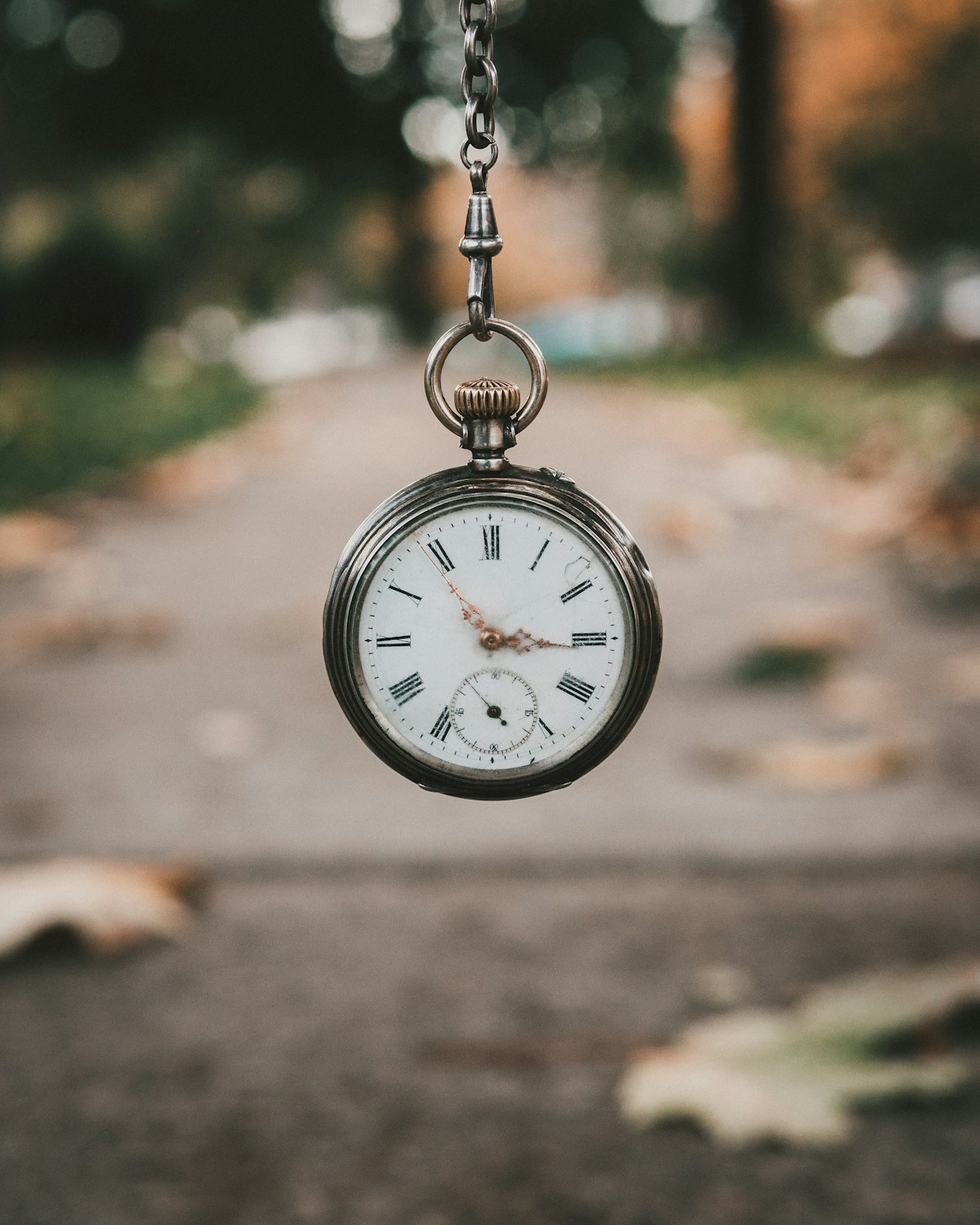
Understanding watch movements is the foundation of any informed watch purchase. Whether you are buying a genuine luxury timepiece or a quality super clone watch, the movement inside determines accuracy, longevity, and the mechanical character of your watch. This guide covers every movement type from quartz to tourbillon, with practical guidance for clone watch buyers.
What Is a Watch Movement (Calibre)?
The movement — also called the calibre — is the engine of a watch. It is the complete mechanical (or electromechanical) system that measures time and drives the hands. A movement consists of a power source, gear train, escapement, and display mechanism. The quality of a movement determines everything from daily accuracy to how long the watch lasts between services.
Quartz Movements
Quartz movements use a battery to send electrical current through a quartz crystal, which vibrates at exactly 32,768 Hz. A microchip counts these vibrations and advances the hands (or display). Introduced in 1969 by Seiko, quartz movements revolutionized timekeeping.
- Accuracy: +/- 15 seconds per month (standard), or +/- 5 seconds per year (high-accuracy quartz)
- Maintenance: Battery replacement every 1-3 years only
- Price: Inexpensive to manufacture; movements cost $2-$500+
- Common brands: ETA 955.112, Miyota OS10, Ronda 715, Seiko VK64
- When to choose quartz: When accuracy matters more than character; sport use; hot climates
Manual Wind (Hand-Wound) Movements
Manual wind movements require you to wind the crown daily (or every 2-3 days, depending on power reserve). Power is stored in the mainspring and released through a gear train regulated by the escapement. These are the purest mechanical watches — no rotor, thinner profile, and a more intimate ownership experience.
- Accuracy: +/- 5-15 seconds per day for quality movements
- Power reserve: Typically 48-96 hours
- Common in: Patek Philippe dress watches, Cartier Tank, most vintage watches
- Clone use: ETA 6497/6498 are common in super clone pocket and large pilot watch designs
Automatic (Self-Winding) Movements
Automatic movements add a rotor — a weighted semicircle that swings freely as you move your wrist, winding the mainspring continuously. They need no battery and no manual winding under regular wear. This is the most popular movement type for luxury watches.
The key automatic movements used in quality super clone watches:
- ETA 2824-2: Swiss-made, 11.5 lignes, 25 jewels, 28,800 bph. The workhorse of Swiss watchmaking. Found in TAG Heuer, Hamilton, Longines, and hundreds of other brands. Super clone version: reliable standard.
- ETA 2836-2: Same base as 2824-2 with added day display. Used in watches with day-date complications.
- Sellita SW200/SW300: ETA alternative made in La Chaux-de-Fonds. Nearly identical specifications. Increasingly popular as ETA restricts sales to third parties.
- Miyota 9015: Japanese (Citizen-owned) movement. 24 jewels, 28,800 bph. Extremely smooth, very thin. Popular in AP Royal Oak and Panerai super clones. One of the best value movements available.
- Miyota 8215: Budget version. 21 jewels, 21,600 bph. Reliable but lower beat rate makes seconds hand movement less smooth.
- Shanghai 2813: Chinese clone of ETA 2824. Functions acceptably but lacks the finishing and regulation of Swiss counterparts. Common in entry-level super clones.
Clone In-House Movements
Premium super clone watches targeting Rolex and other brands with proprietary calibres use clone in-house movements — movements designed to visually replicate the genuine calibre when the caseback is open. Examples:
- VSF Clone 3235: Replicates Rolex Calibre 3235 visually. ~50-hour power reserve, +/- 5-8 sec/day accuracy. For collectors who value caseback aesthetics.
- ARF/A2824: Rolex-styled movement with improved finishing over standard A2813. Middle ground between clone 3235 and ETA.
Complications: What They Mean and What They Cost
Complications are any watch function beyond simple time display. Each adds complexity, cost, and enjoyment:
- Date: Single most common complication. Quick-set date (using the crown) is standard in quality movements. Never change the date between 9pm and 2am — it can damage the date mechanism.
- Day-Date: Adds day of week display. Requires a more complex movement module. ETA 2836, Valjoux-based movements.
- Chronograph: Stopwatch function. Column-wheel chronographs (more expensive, smoother action) vs cam-lever (budget). ETA Valjoux 7750 is the benchmark.
- GMT: Second time zone hand. ETA 2893-2 or clone ETA 2836 with GMT module. Critical for travelers.
- Tourbillon: Anti-gravity regulator for pocket watches, largely decorative in wristwatches. Adds significant cost even in super clones.
- Power Reserve Indicator: Displays remaining mainspring tension. Purely informational but useful in manual-wind pieces.
Which Movement Should You Choose?
For daily wear and serious collecting: ETA or Sellita for Swiss reliability, or Miyota 9015 for Japanese precision. For Rolex-specific super clones where caseback aesthetics matter: VSF Clone 3235. Avoid Asian 2813 for anything more than occasional wear.
All super clone watches in our collection clearly state the movement type. We carry models with genuine Swiss ETA, Miyota 9015, and factory clone movements for every preference and budget.
Frequently Asked Questions
What movement is in a Rolex super clone?
Quality Rolex super clones use either a VSF Clone 3235 (visual replica of the genuine Calibre 3235), an ETA 2836-2 (genuine Swiss), or an Asian clone movement. The VSF Clone 3235 is the most popular for collectors who want visual accuracy; ETA 2836 is better for reliability and serviceability.
How often does an automatic watch need servicing?
Mechanical automatic watches should be serviced every 3-5 years under regular wear. A service involves disassembly, cleaning, lubrication, timing adjustment, and gasket replacement. Cost for a super clone service at an independent watchmaker ranges from $50-150.
Is automatic better than quartz in a super clone?
For aesthetics and the mechanical experience: automatic. For accuracy and low maintenance: quartz. Most luxury watch super clones use automatic movements to match the genuine article. Quartz super clones exist for sport watch models that use quartz in the original.