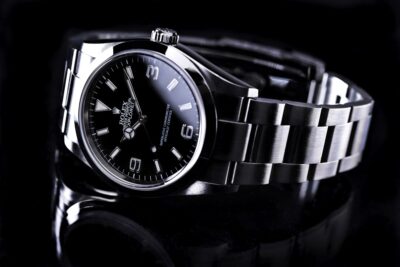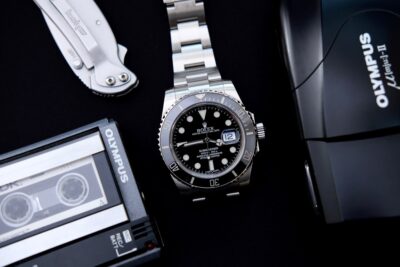

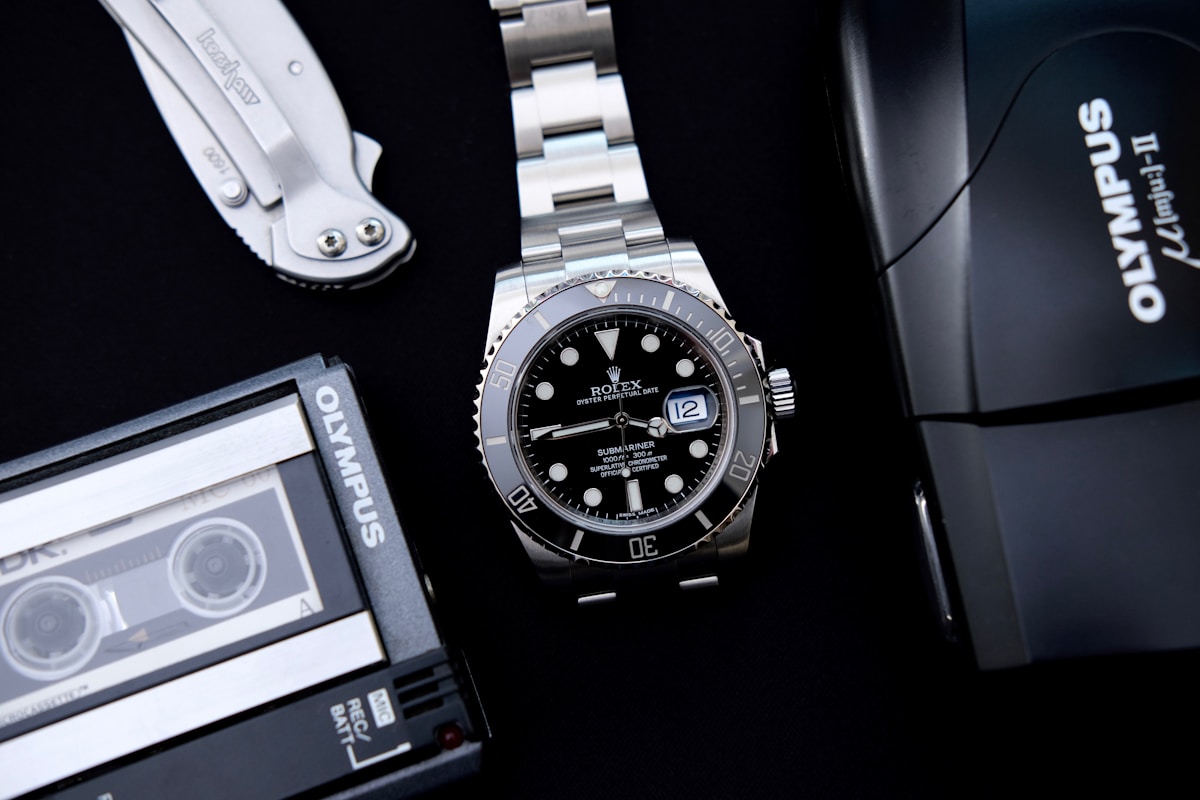
If you’ve spent any time digging into the replica watch world, you’ve probably seen these two terms used almost interchangeably. They’re not the same. Not even close. And if you’re about to spend a few hundred dollars on something for your wrist, you should know the difference before you pull the trigger.
Here’s the straightforward breakdown — no fluff, no sales pitch, just what you actually need to know.
The Short Version (For the Impatient)
- Replica watches — look like a luxury watch on the outside, cheap on the inside. Cut corners on materials, movement, and finishing.
- Super clone watches — built to match the original in materials, movement architecture, weight, and dimension. The 1:1 tier.
If someone on the street offers you a “Rolex” for $50, that’s a rep. If a dedicated watch operation is charging $400–$700 with a spec sheet and QC photos, you’re looking at a super clone.
What a Standard Replica Actually Is
Let’s call replicas what they are. The mass-market rep industry pumps out millions of watches a year. They’re assembled fast, with whatever materials are cheapest at the time.
Here’s what you’re typically getting with a standard replica:
- 316L stainless steel (sometimes cheaper alloys) instead of Rolex-spec 904L
- Mineral glass or acrylic crystal — scratches within weeks of daily wear
- Generic Chinese movements — often based on basic Miyota or no-name calibers with no attempt to replicate the original’s architecture
- Lightweight feel — immediately noticeable when you put it on. Real Submariners have heft. Most reps feel like toy watches.
- Sloppy finishing — brushed and polished surfaces blend together, engraving is soft, bracelet rattles
To be fair, at $50–$100 there’s a market for this. Nobody’s pretending otherwise. But if you’re comparing them to the genuine article side-by-side, the gap is immediately obvious to anyone who’s handled a real one.

What Makes a Super Clone Actually “Super”
The super clone tier came out of a specific demand in the watch community: people who know watches well enough to be bored by cheap reps, but aren’t prepared to drop five figures on a genuine piece.
The factories that make top-tier super clones — and there are only a handful worth naming — invest heavily in engineering, tooling, and materials sourcing. Here’s what that actually looks like:
Materials That Match the Original Spec
Rolex uses 904L stainless steel. It’s more corrosion-resistant than industry-standard 316L, takes a higher polish, and behaves differently under machining. Most manufacturers — including many Swiss brands — don’t bother because it’s harder to work with. Super clone factories do bother, because it’s the spec that matters.
The difference shows up on the bracelet especially. 904L polishes up with that specific depth and clarity that 316L can’t quite match. It’s subtle, but once you’ve handled both, you notice.
Genuine Sapphire Crystal
Sapphire crystal is rated at Mohs hardness 9 — practically nothing scratches it in everyday life. Mineral glass (common in mid-range reps) is around 5-6 on the Mohs scale. After six months of daily wear, a mineral crystal looks like you’ve been dragging it across a driveway. Sapphire still looks new.
Super clones use genuine sapphire. The cyclops lens (the date magnifier on the Datejust and Submariner Date) is properly bonded, not stuck on with adhesive that bubbles over time.
Clone Movements Engineered to Match the Original
This is where the real engineering work happens. Instead of dropping a generic ETA 2824 into a case and calling it a day, high-end super clone factories reverse-engineer the original Rolex caliber and produce a clone movement that matches:
- The same beats-per-hour (28,800 bph on modern Rolex sports models)
- The same power reserve (70 hours on the clone Cal. 3235)
- The same rotor design and winding mechanism
- The same date complication behavior (instantaneous jump at midnight)
- For GMT models: an independently adjustable 24-hour hand
- For Daytona: a functioning column-wheel chronograph with correct pushers
These aren’t display movements. They work as advertised.
Dimensions and Weight That Match
A Rolex Submariner weighs approximately 155g on bracelet. The case is 40mm wide (pre-2020 reference) with a 12.5mm height. Lug width is 20mm. Super clone factories use these specs as gospel. Cheaper reps frequently get at least one dimension wrong — thicker cases, longer lugs, wider dials — and the proportions are off enough that a watch nerd will clock it immediately.
Side-by-Side: The Real Differences
| Feature | Standard Replica | Super Clone |
|---|---|---|
| Case material | 316L steel or alloy | 904L stainless steel |
| Crystal | Mineral or acrylic | Genuine sapphire with AR coating |
| Movement | Generic ETA or no-name | Clone caliber matching original spec |
| Weight | Noticeably light | Matches genuine (within ~5g) |
| Finishing | Rough transitions, soft engraving | Precise brushed/polished surfaces |
| Complication function | Often cosmetic only | Fully functional (GMT hand, chrono pushers) |
| Bracelet quality | Rattly, loose end links | Solid, flush end links |
| Price range | $30–$150 | $300–$800 |
| Longevity | Months to a year | Years with basic maintenance |
The Wrist Test: What You Actually Notice Day-to-Day
Here’s the thing watch nerds always bring up: you can spec-compare all day, but what matters is how it feels when you’re actually wearing it.
A standard rep gives itself away fast. The light weight is the first tell — it just doesn’t sit right. Then you notice the bracelet has a bit too much play in it, the clasp doesn’t snap shut with that satisfying click, and under any decent lighting the crystal clarity isn’t there.
A quality super clone is a different experience. The wrist presence is right. The bracelet has that solid, cold-metal feel when you first put it on. The seconds hand sweeps — it doesn’t tick — and the movement makes that faint mechanical hum that you feel more than hear.
Will someone who handles genuine Rolexes every day spot it? Maybe, if they get hands-on time with it. But anyone going off a wrist check or a quick look across a table? Not a chance.
When a Replica Makes Sense (And When It Doesn’t)
We’re not going to pretend there’s no place for cheap reps. Here’s an honest take:
Cheap rep makes sense if:
- You want a “dress-up” piece for a costume or one-time event
- You’re brand new to watches and not sure what you like yet
- You literally cannot spend more than $100
Super clone makes sense if:
- You want something you’ll actually wear regularly and enjoy
- You care about the watch holding up over years, not months
- You want the genuine watch experience without the premium
- You’re giving it as a gift to someone who’ll appreciate quality
The watch community’s general consensus: if you’re going to spend money, spend it once. A $500 super clone will outlast three $150 reps with better daily satisfaction and zero of the “this looks fake” anxiety.
How to Tell If You’re Actually Getting a Super Clone
The term gets misused by sellers trying to charge super clone prices for rep-quality watches. Here’s your checklist:
- Ask for the steel spec. “904L or 316L?” — a real super clone operation will know immediately. Hesitation or deflection is a red flag.
- Request QC photos. Professional sellers photograph their watches before shipping. Movement photo, dial close-up, bracelet end links. If they don’t provide this, move on.
- Check the movement spec. For a Submariner super clone, they should be telling you “clone Cal. 3235” — not “automatic movement.” Vagueness about the caliber is a tell.
- Weight and dimensions. A genuine Submariner is 40mm x 12.5mm, weighs ~155g on bracelet. Ask. A serious seller should know their product.
- Warranty terms. 12-month movement warranty minimum. No warranty = no accountability = walk away.
The Bottom Line
Super clone vs replica isn’t really a comparison between two grades of fake watch. It’s a comparison between a toy and a daily wearer. One’s made to look like a luxury watch at a glance. The other is made to be the experience of a luxury watch — materials, feel, movement, and all.
If you’re here because you’ve decided a genuine Rolex isn’t in the budget right now (or isn’t the priority), that’s a completely rational decision. The super clone market exists specifically for people who want more than just the look — and delivers, when you buy from the right source.
At Mirck Clone, every piece is sourced from verified top-tier factories and goes through a full QC pass before it ships. 904L steel. Genuine sapphire. Clone movements. Documented, photographed, and backed by a 12-month warranty.